
How I Use Solscan to Track NFTs and Untangle SOL Transactions
-
by
 wsf
wsf
 wsf
wsfOkay, quick confession: I used to open three tabs and panic. Really. Tracking an NFT drop or tracing a weird SOL transfer felt like spelunking with a flashlight that sometimes died. But after digging into the tools, one stood out for me—clean, fast, and honestly practical. This is about how I use solscan as my daily explorer, and how you can use it to follow NFTs, verify collections, and debug transactions without pulling your hair out.
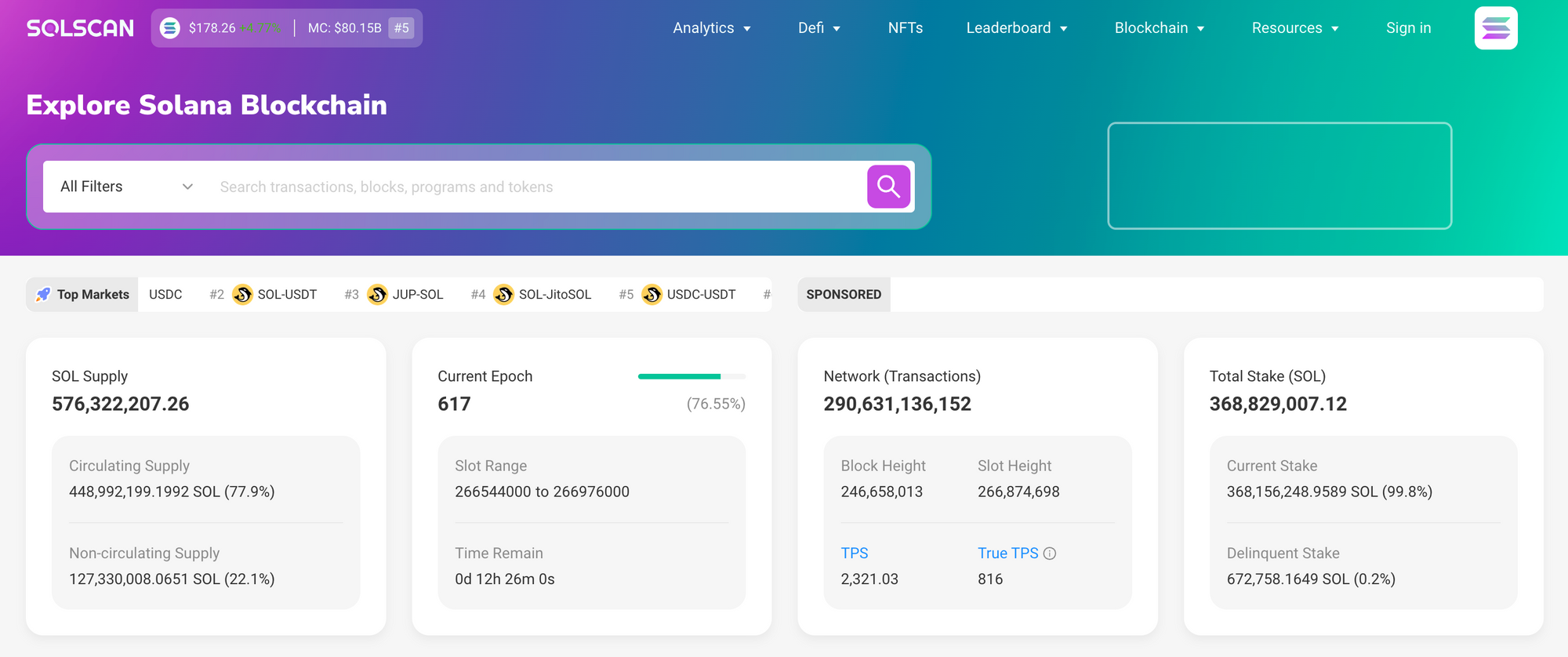
First impressions matter. Solscan loads quickly. The UI doesn’t scream for attention. That’s helpful when you’re trying to find a specific tx among a flood of activity. My instinct said, “This is going to save time.” And it did. Oh, and it has wallet and token pages that give the exact on-chain picture—no guesswork. Seriously, that clarity matters when you’re dealing with new mints or suspicious transfers.
Why Solscan for NFTs?
NFTs are a mess sometimes. Metadata lives off-chain, collections get shuffled, and explorers often show only raw instruction data that looks like gibberish unless you’re already deep into Solana internals. What I like about solscan is that it ties token accounts to on-chain metadata in a way that’s approachable. You can see mint addresses, creators, and token holders quickly. That helps when you’re trying to confirm whether a drop is legitimate or just a splinter project using similar artwork.
Step-by-step: paste the mint address. Then look at creators and verify their verified status. Check the token’s metadata link—commonly an Arweave or IPFS URL—and open it. If the metadata URL is missing or points to some sketchy server, red flag. Also glance at holder distribution. If one wallet owns 90% of the supply, that’s a centralization risk. I’m biased, but decentralization metrics matter to me.
One more thing: the activity tab on collection pages is gold. You can see sale history and market behavior, which helps separate real demand from wash trades. On the other hand, sometimes the market data lags a bit. It’s a tool, not an oracle.
Tracing SOL Transactions Without Losing Your Mind
Transactions on Solana are compact but dense. A single tx can include multiple instructions across programs. Solscan lays those instructions out neatly—program by program, instruction by instruction. For a quick audit I do this: identify the signature, open the transaction, then scan the instructions for token program calls, system transfers, and program logs. If there’s an instruction that moves funds and it’s bundled with something off-chain (like a CPI to a custom program), pause and read logs. The logs will often say why a tx failed or succeeded—and sometimes they include helpful error messages.
Hmm… sometimes the logs are cryptic. My approach there is pragmatic: copy the program ID, check its recent activity, and see who deploys or interacts with it frequently. If a program has only one deployer and a flurry of activity tied to weird token mints, I’m cautious. On the flip side, widely used program IDs with many unique callers usually indicate community adoption.
If you’re trying to track a stolen NFT or move, focus on token accounts. Solscan shows token account history and transfers; follow the chain of token account addresses. That’s how you see where a particular token actually is, not just which wallet names are referenced in marketplace UI. It takes time, but it works.
Practical Tips I Use Daily
Bookmark wallet and token pages. Seriously. You’ll come back to them. Use the CSV export for transaction lists when you need to do a spreadsheet review. If you suspect a contract is malicious, open the program’s page and check verified source links—some programs include links to repos or deployment notes. Cross-check creator addresses on NFT metadata with known team wallets (if available) to avoid impersonation scams.
One trick: set a short mental checklist before interacting—minting or buying online. Check the mint address on solscan, verify metadata source, scan holder distribution, and read recent tx logs for the mint’s program. If anything feels off—like unknown metadata hosts or creator addresses that rotate—step back. My instinct has saved me from bad buys more than once.
FAQ
How do I verify an NFT’s authenticity on Solscan?
Find the mint address, open its token metadata, and verify the creator array. Confirm the metadata URL (Arweave/IPFS) serves the expected JSON with image and attributes. Check whether the creators are marked as “verified” on the metadata. Also review holder distribution and activity—if a project claims decentralization but one wallet holds most tokens, that’s suspicious.
Here’s what bugs me about the ecosystem: too many people skip on-chain checks. They go by marketplace badges or social buzz, which can be gamed. Using an explorer like solscan turns guesswork into evidence. I’ll be honest—it’s not perfect. Sometimes metadata points to broken hosts, or program logs are terse, and you have to do some detective work. But overall, it raises the floor on simple due diligence.
Final note—if you’re new: start small. Practice tracing a few known legitimate mints so you get comfortable with token accounts and logs. Then try a handful of suspicious cases (in a sandbox way) to hone your instincts. Over time you’ll move from panic to process. And when that happens, you’ll appreciate tools that just work—fast, clear, and reliable.